Understanding the Dog Boarding Industry Landscape
The dog boarding industry plays a crucial role in the broader pet care market, catering to the needs of pet owners who seek safe and comfortable temporary accommodations for their dogs. Dog boarding services offer a range of options, from basic kennels to luxurious facilities with extensive amenities. As the pet ownership landscape evolves, understanding the dynamics of this industry is vital for professionals looking to succeed. When exploring options, Dog Boarding facilities must adapt to meet the diverse needs of pets and their owners, ensuring exceptional care and a positive experience.
What is Dog Boarding and Why It's Essential?
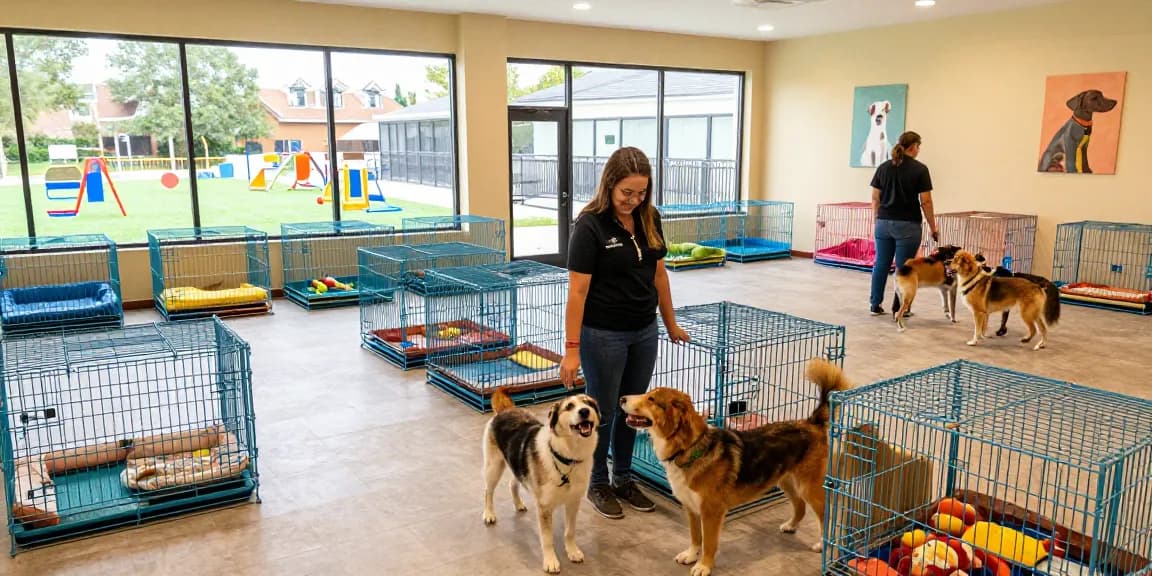
Dog boarding refers to the practice of temporarily housing dogs in a facility while their owners are away, whether for vacation, work trips, or emergencies. This service is essential as it provides a safe and secure environment for pets, reducing anxiety for both the dogs and their owners. Quality dog boarding centers are designed with the well-being of dogs in mind, incorporating comfortable living spaces, play areas, and attentive staff to ensure that dogs receive the care they deserve.
Many pet owners prefer boarding facilities over leaving their dogs with friends or family due to the specialized care provided. Reputable dog boarding facilities not only offer consistent supervision but also cater to the emotional and physical needs of pets, making them ideal for short-term stays.
Current Trends in Dog Boarding Facilities for 2026
As we approach 2026, several trends are shaping the dog boarding industry. The demand for premium and specialized services is on the rise, with pet owners looking for facilities that offer personalized care and tailored experiences for their dogs. Here are a few key trends:
- Luxury Accommodations: High-end facilities are incorporating luxury suites equipped with comfortable bedding, private outdoor spaces, and even television for entertainment.
- Holistic Care: Many dog boarding centers are expanding their services to include holistic care options such as massage therapy, fitness programs, and more.
- Technology Integration: Advancements in technology are leading to the implementation of webcams for owners to check in on their pets and booking apps for seamless reservations.
- Environmentally Friendly Practices: Eco-conscious boarding facilities are adopting sustainable practices, from energy-efficient designs to using biodegradable products.
Key Challenges Faced by Dog Boarding Professionals
While the dog boarding industry continues to grow, professionals face several challenges that can hinder operational success. These challenges include:
- Staffing Issues: Hiring and retaining qualified staff who are passionate about animal care can be difficult in a competitive labor market.
- Regulatory Compliance: Keeping up with local regulations and licensing requirements is critical, as non-compliance can result in fines and business closures.
- Health and Safety Concerns: Maintaining a clean and safe environment is paramount, particularly in preventing the spread of illnesses among dogs.
- Customer Expectations: As pet owners become more discerning, meeting their expectations for quality care becomes increasingly challenging.
Best Practices for Dog Boarding Facilities
Creating Comfortable and Safe Environments for Dogs
Establishing a welcoming atmosphere is essential in any dog boarding facility. Here are some best practices to ensure the comfort and safety of dogs:
- Spacious Accommodations: Provide adequate space for each dog to move around comfortably, minimizing stress and anxiety.
- Safe and Secure Enclosures: Ensure that all enclosures are robust and free from hazards, with regular inspections to maintain safety standards.
- Consistent Routine: Establish a daily routine for feeding, exercise, and playtime to provide structure for the dogs.
- Staff Training: Invest in staff training programs that focus on dog behavior and safety practices to enhance the quality of care.
Essential Features Your Dog Boarding Facility Should Have
To excel in the dog boarding market, facilities should incorporate essential features that appeal to pet owners:
- Outdoor Play Areas: Designated areas for outdoor play help dogs socialize and exercise, reducing stress during their stay.
- Grooming Services: Offering grooming services can enhance the convenience for pet owners and keep dogs clean and comfortable.
- Separation by Size and Temperament: Categorizing dogs based on size and temperament helps create a peaceful environment.
- Emergency Protocols: Have clear emergency procedures in place, including access to a veterinarian and protocols for addressing medical emergencies.
Staff Training and Customer Service Strategies
Providing outstanding customer service is as crucial as caring for the dogs. Implementing staff training programs focused on customer interaction can improve communication and enhance client satisfaction:
- Communication Skills: Train staff to communicate effectively and empathically with pet owners, addressing their concerns and expectations.
- Dog Behavior Knowledge: Equip staff with knowledge about dog behavior to identify and respond to individual needs and fears.
- Feedback Mechanisms: Establish systems to collect feedback from clients to continually improve services.
Optimizing Your Dog Boarding Services
How to Market Your Dog Boarding Business Effectively
Effective marketing strategies are essential for drawing in new clients and retaining existing ones. Here are several avenues to explore:
- Online Presence: Develop a user-friendly website with clear information about services, pricing, and booking options. Utilizing SEO techniques will help your facility rank higher in search results.
- Social Media Engagement: Leverage platforms like Instagram and Facebook to showcase happy dogs in your boarding facility, creating a personal connection with potential clients.
- Referral Programs: Implement referral discounts for clients who bring in new customers, encouraging word-of-mouth marketing.
Leveraging Technology in Dog Boarding Operations
Technology can streamline operations and enhance the customer experience. Consider these tools:
- Reservation Systems: Use online booking systems that allow clients to reserve and pay for services seamlessly.
- Pet Tracking Devices: Incorporate GPS trackers or cameras that allow owners to check the status and wellbeing of their dogs during their stay.
- Social Media Monitoring: Monitor social media for reviews and feedback, allowing you to address concerns promptly.
Building Relationships with Clients and Their Pets
Fostering strong relationships with both clients and their pets is key to success. Here are tips to help:
- Personalized Care: Learn about each dog's likes, dislikes, and routines to provide tailored care.
- Regular Communication: Keep pet owners updated with photos and reports about their dog's stay to reassure them.
- Follow-Up: After a dog's stay, follow up with a thank-you message and a feedback request to enhance your service further.
Legal Considerations and Compliance for Dog Boarding
Understanding Local Regulations and Licensing
Operating a dog boarding facility involves navigating local regulations and obtaining the necessary licenses. It’s vital to:
- Research Local Laws: Understand the specific requirements for kennel licensing in your jurisdiction to avoid legal issues.
- Health and Safety Regulations: Stay informed about health regulations concerning animal care and hygiene standards.
- Inspection Readiness: Regularly prepare your facility for inspections by local authorities to maintain good standing.
Insurance and Liability Coverage for Boarding Facilities
Having the right insurance coverage is essential to protect your business against potential liabilities. Consider these types:
- General Liability Insurance: Covers injuries and damages that occur on your property.
- Property Insurance: Protects your facility and equipment from damage due to unforeseen circumstances.
- Professional Liability Insurance: Covers legal expenses in case of claims related to your service quality and care.
Best Practices for Handling Emergencies and Incidents
Being prepared for emergencies is crucial in maintaining safety in your boarding facility:
- Emergency Plans: Develop comprehensive plans for various emergencies, including medical issues and natural disasters.
- First Aid Training: Equip staff with first aid training to handle common injuries and medical emergencies.
- Incident Reports: Have a system for documenting incidents and injuries to improve safety protocols continuously.
The Future of Dog Boarding: Innovations and Predictions
Emerging Technologies Impacting Dog Boarding
The future of dog boarding will be shaped by continued advancements in technology. Key innovations include:
- AI and Automation: Implementing AI tools for scheduling, customer service, and even for monitoring pet behavior.
- Virtual Reality Experiences: Offering virtual tours of your facility to potential clients can enhance transparency and trust.
- Health Monitoring Technologies: Utilizing wearables that track a dog’s health metrics as a value-added service.
Understanding Dog Owners' Evolving Expectations
As pet ownership trends evolve, dog owners are increasingly looking for personalized services, quality care, and environmental consciousness. To meet these expectations, boarding facilities should:
- Adapt Service Offerings: Continuously update services to reflect the latest pet care trends and owner preferences.
- Transparency: Maintain open communication regarding policies, care practices, and any changes in operations.
- Build Community: Create events or online forums to connect with pet owners and foster a sense of community among your clientele.
Preparing for the Future of Dog Boarding Beyond 2026
To thrive beyond 2026, dog boarding facilities must be proactive in addressing the future landscape:
- Invest in Staff Training: Continuous education for staff on the latest trends in animal care will be essential.
- Focus on Sustainability: Implementing eco-friendly practices will become increasingly important as consumers seek environmentally responsible options.
- Monitor Industry Trends: Stay informed about developments in pet care to remain competitive and relevant in an evolving market.